
Made by hand
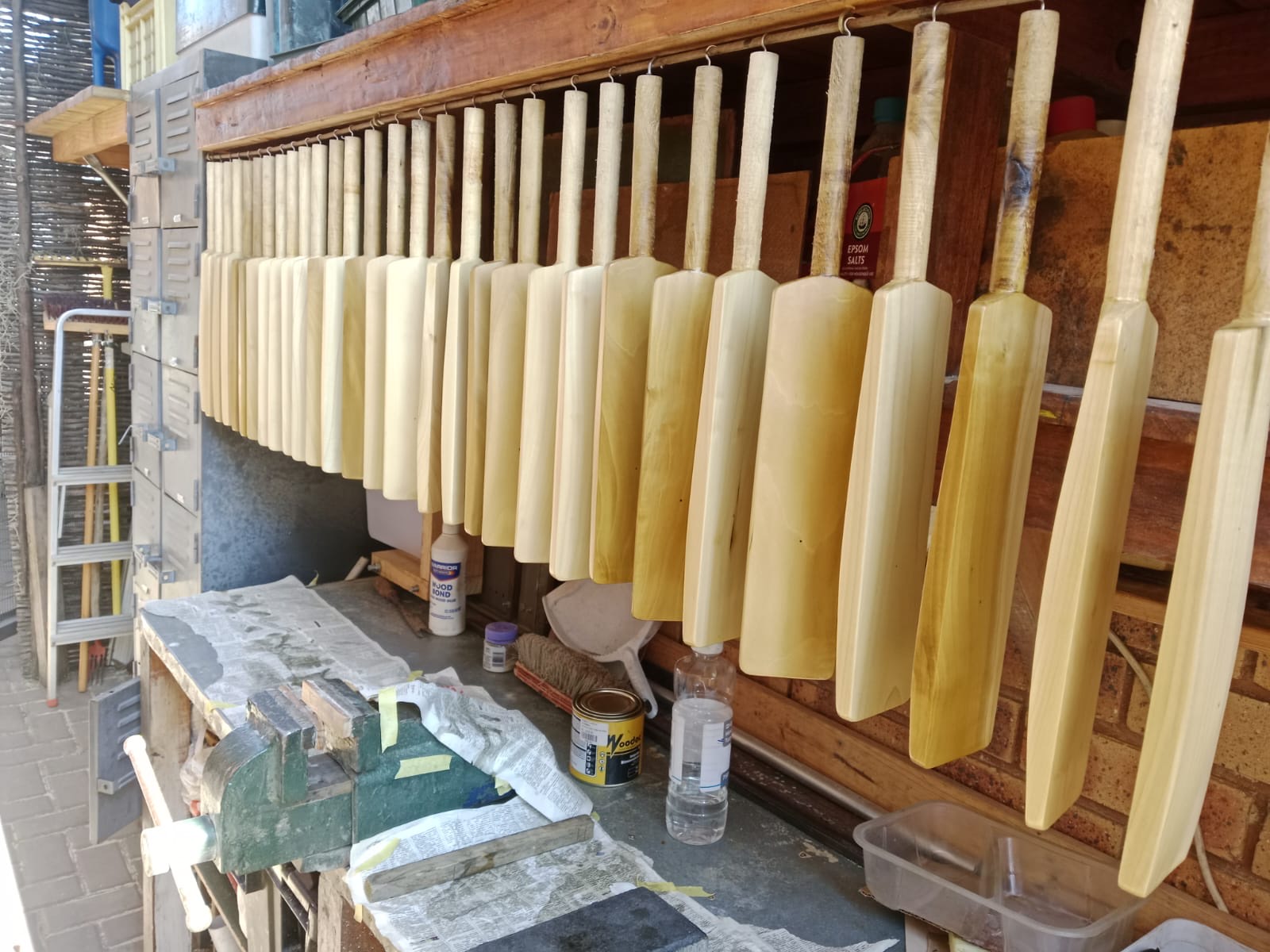
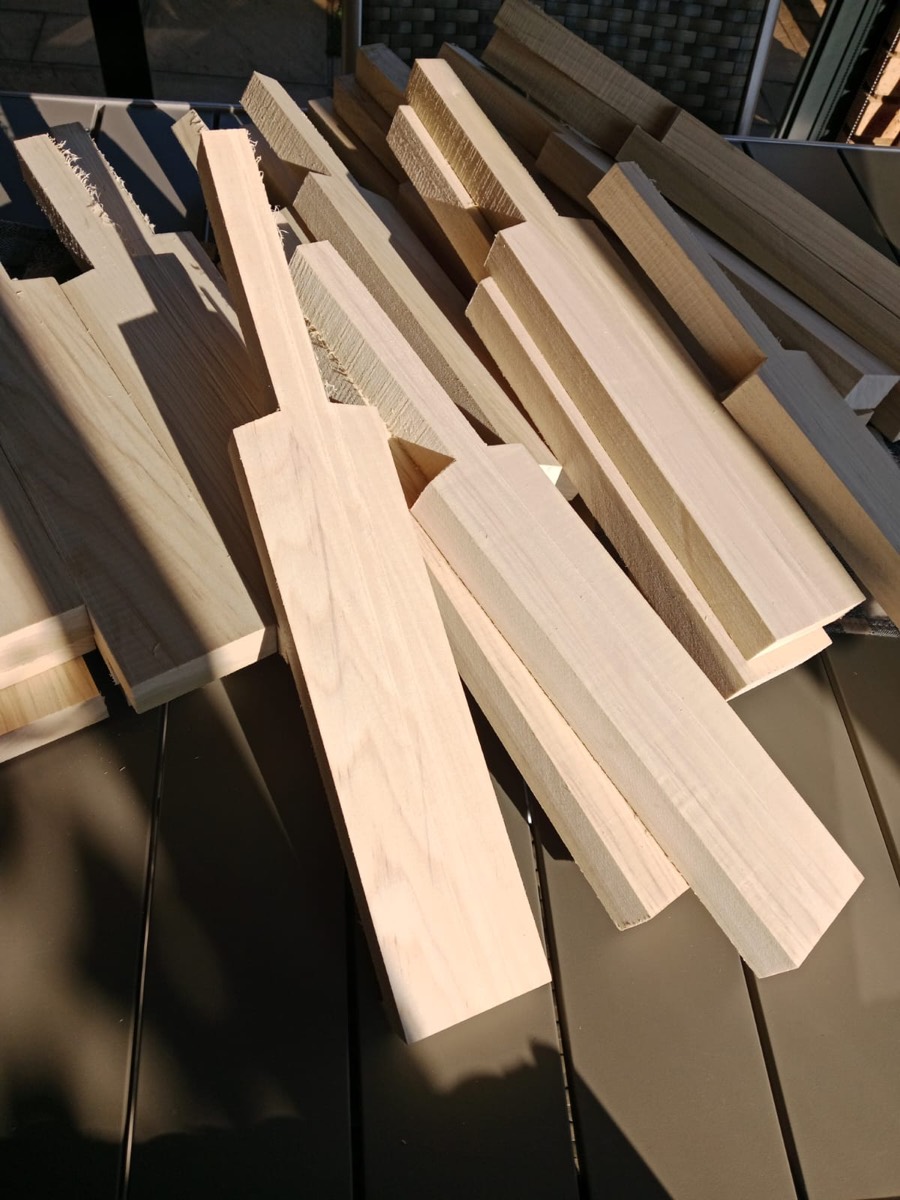
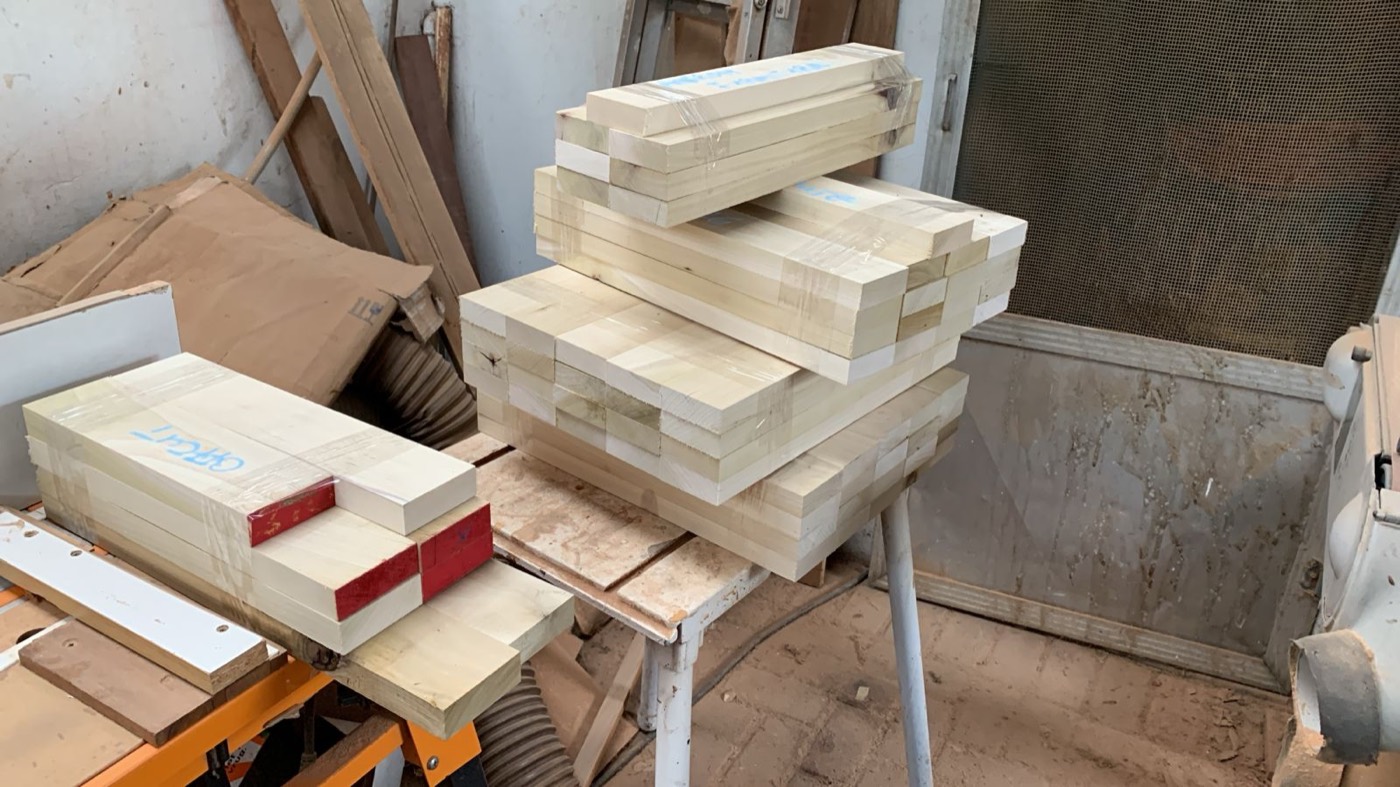
Every bat is cut, shaped, sanded and finished by hand. It is slower, and it is the only way we know how to get it right.
KiTi-Bat is Nico Botha's workshop. Timber comes in one end as rough plank and leaves the other as something a young player is proud to carry.
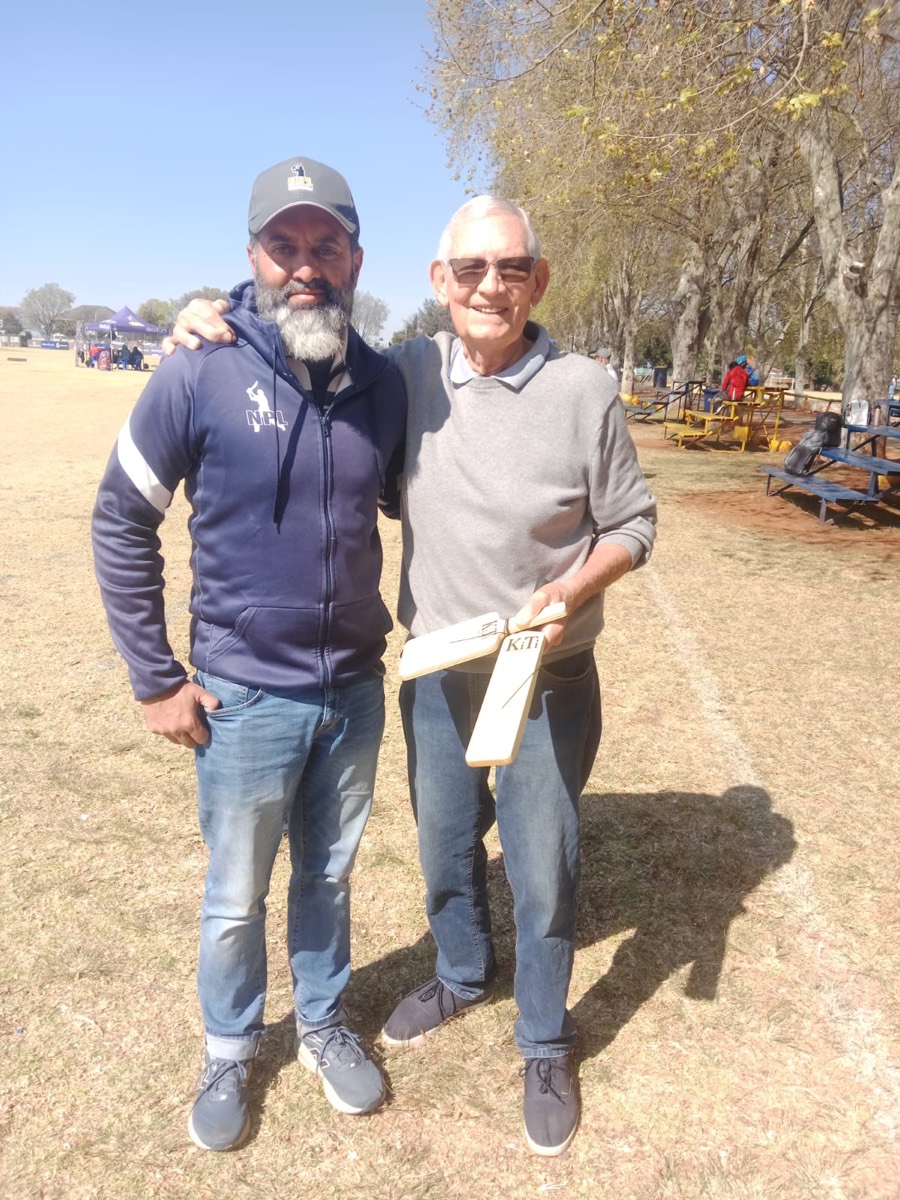
Young cricketers do not get enough repetitions. A net session gives a player a handful of balls; a bowler gets tired; a coach can only watch one player at a time.
The KiTi-Bat was made to solve that — a rubber ball on an elastic string and a narrow bat, so a player gets hundreds of contacts on their own, in a driveway, without anybody needing to bowl at them.
The rest followed from the same idea. The KiTi Junior, because a five-year-old needs a shorter, wider face before they can handle a narrow one. The Catch-It Trainer, because fielding needs the same volume of repetition that batting does.
Every bat is cut, shaped, sanded and finished by hand. It is slower, and it is the only way we know how to get it right.
A training bat that a family cannot afford trains nobody. That is why a KiTi Junior is R165 and not R1 650.
Phone the number on this site and you get the person who made the bat — the owner, not a call centre. Questions, advice, repairs, same person every time.
KiTi-Bat isn't only for polished nets and paid coaches. The KiTi Junior was built to bring the same training within reach of every young cricketer — including the ones in under-resourced schools and township clubs who rarely get access to specialised equipment.
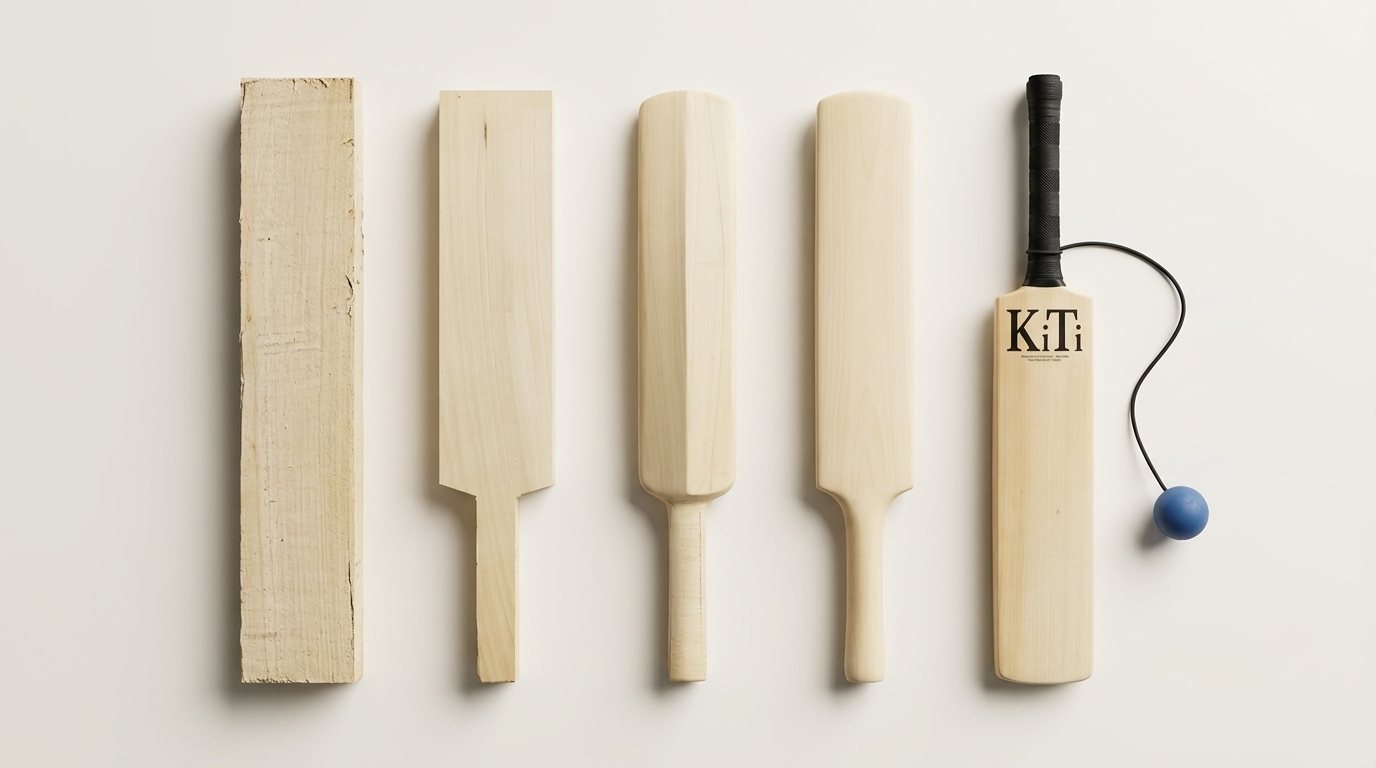
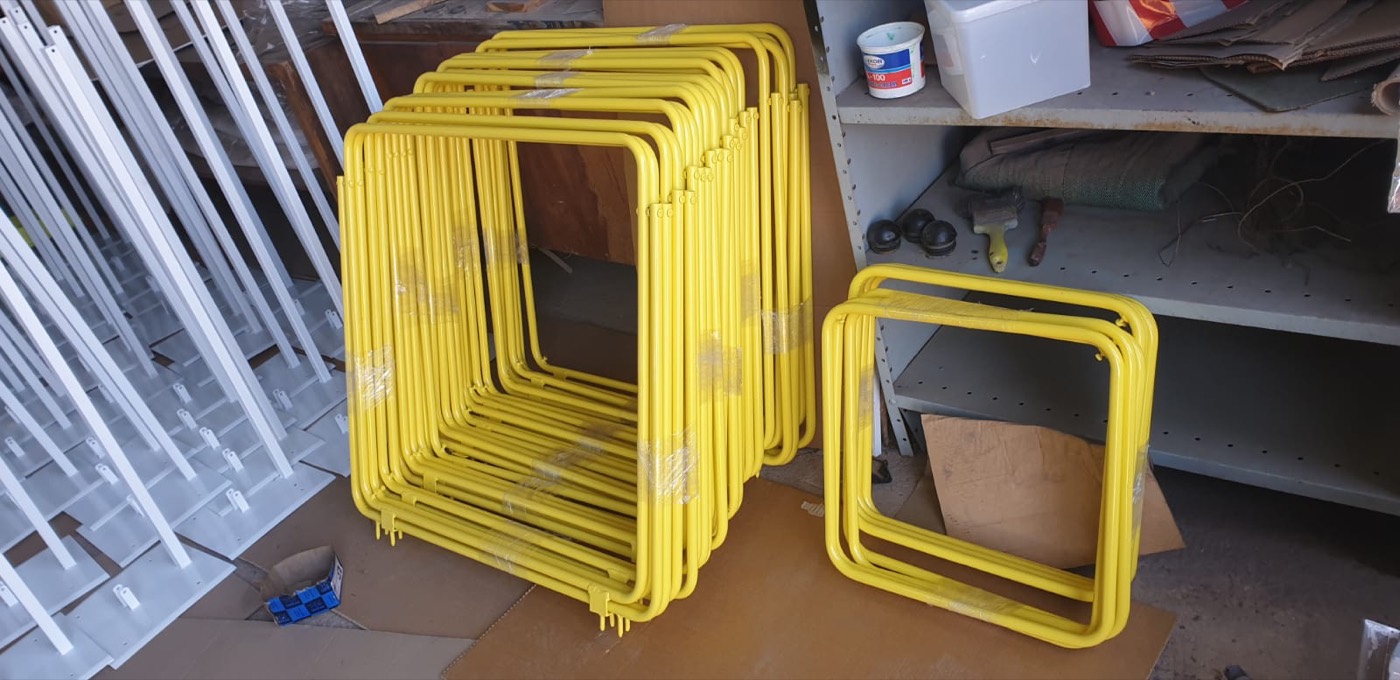
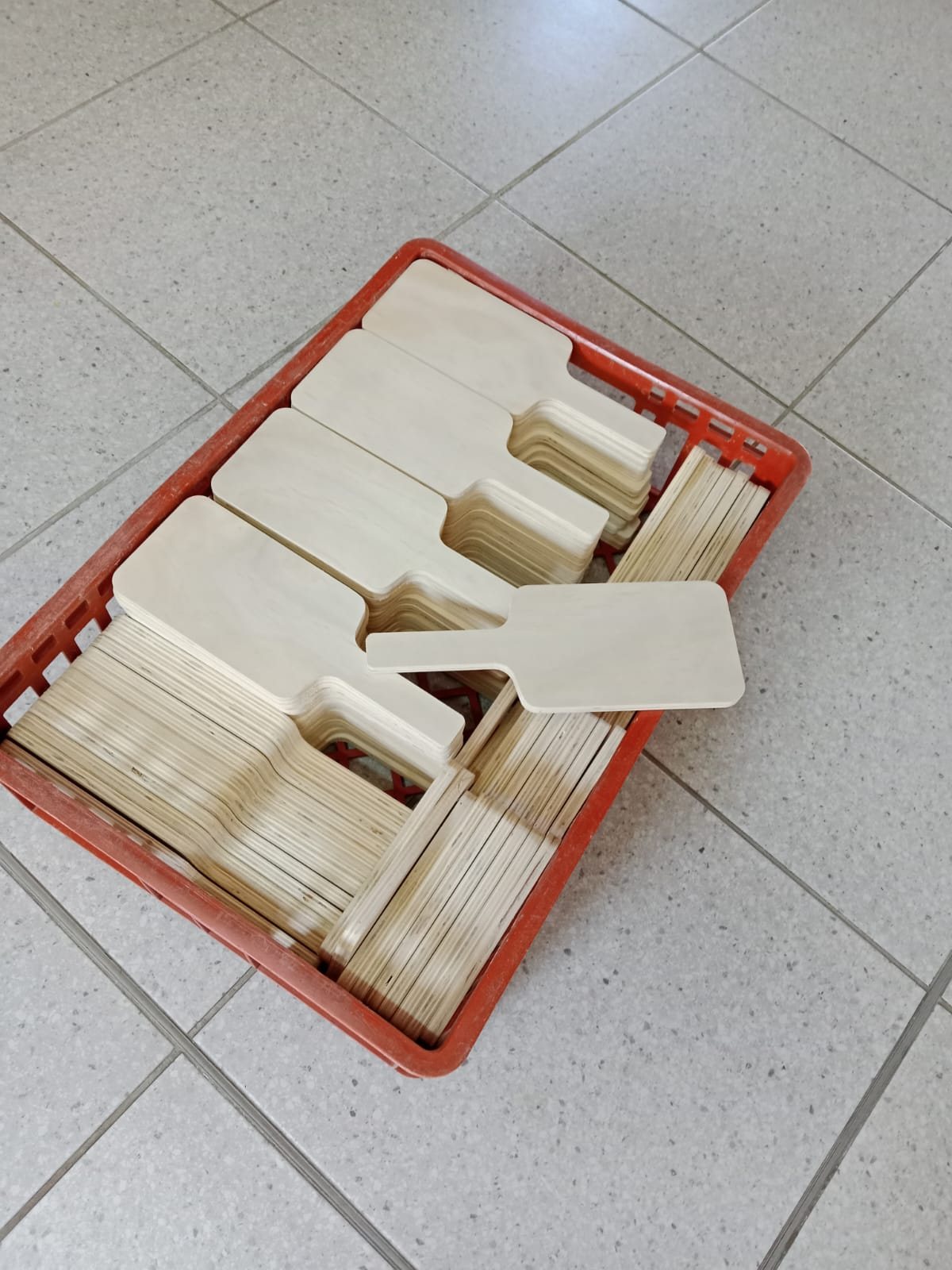
Block of poplar to finished trainer — five stages, all by hand.
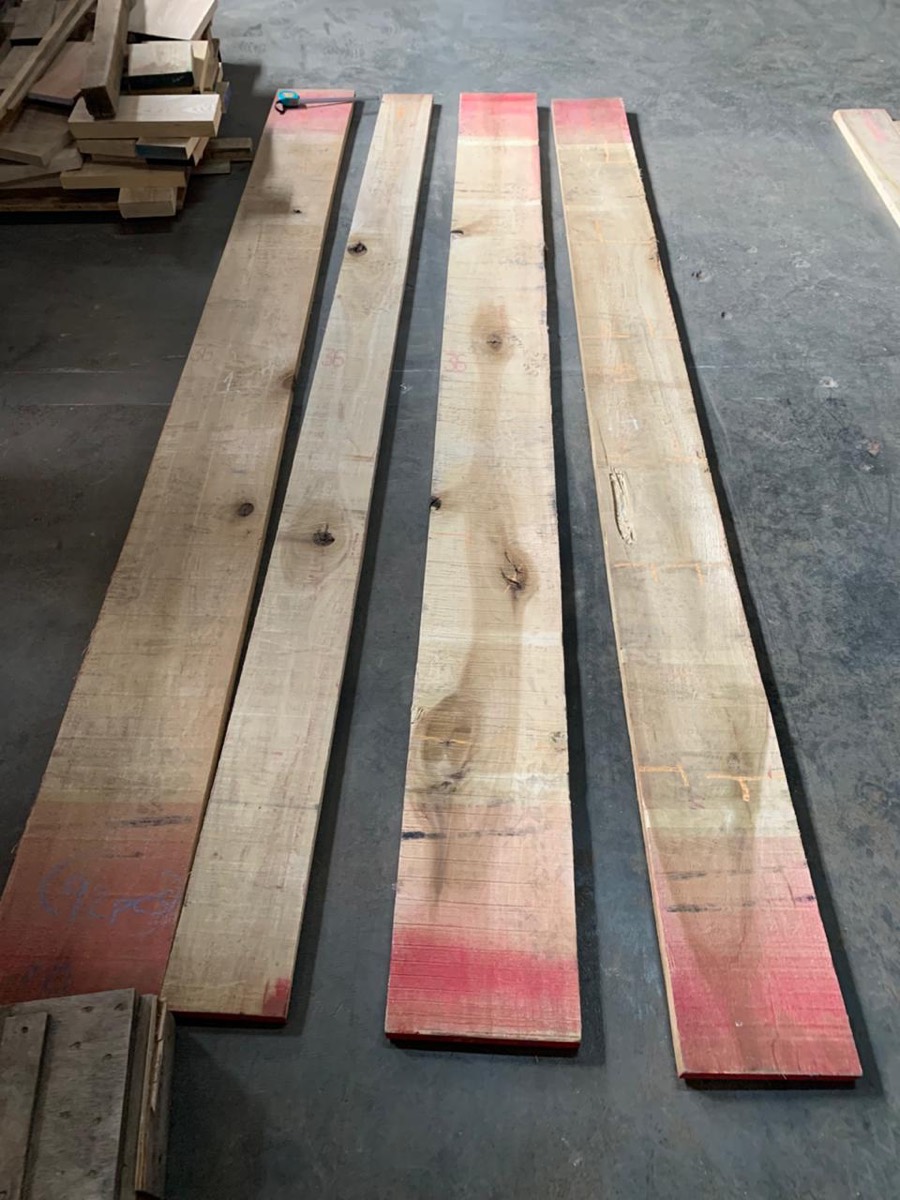
KiTi-Bat is a registered trademark — the hand-eye skills trainer that gives the whole range its name.
You will see it on the face of every bat that leaves the workshop, KiTi-Bat or Junior. It is a small mark, but it means someone put their name on the work.

Two bat sizes and a rebound net, all with one purpose — getting a player to watch the ball.